


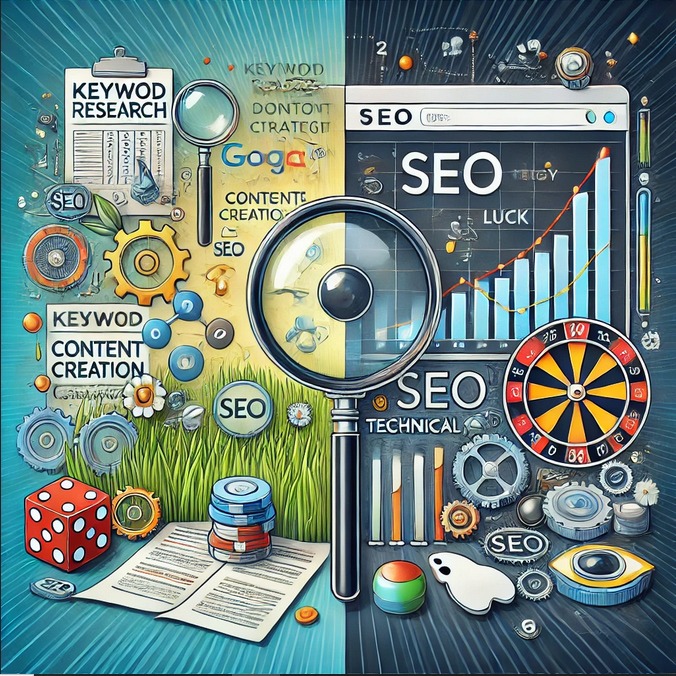
While chance may seem to influence SEO organic traffic, success largely depends on deliberate, well-executed strategies. From understanding algorithms to optimizing content, strategic actions ensure consistent results. Below, we delve deeper into how to shift the balance in your favor.
Why “Luck” Isn’t the Main Factor
1. Algorithm Understanding and Adaptation
Search engine algorithms prioritize user satisfaction by rewarding relevance, authority, and usability. Although updates may feel unpredictable, they are rooted in improving search results. Familiarizing yourself with updates like Google’s Helpful Content Update or Core Web Vitals allows you to align your strategy with evolving standards.
- Actionable Tip: Maintain a proactive approach by conducting SEO audits quarterly. Use tools like Screaming Frog or Sitebulb to identify technical issues, and cross-reference these findings with Google Search Console insights.
- Example: After Google’s Page Experience Update, a media site improved its rankings by focusing on site speed and mobile optimization, showcasing the value of aligning with algorithm priorities.
2. Targeted Keyword Research
Keywords bridge the gap between user queries and your content. Successful keyword research involves:
-
Identifying primary keywords for your core offerings.
-
Leveraging long-tail keywords to attract niche audiences.
-
Understanding search intent to address user needs.
-
Actionable Tip: Use tools like AnswerThePublic to explore questions users ask about your topic, then create content tailored to those queries.
-
Example: An e-commerce site specializing in sustainable clothing increased organic traffic by targeting long-tail keywords like “eco-friendly workwear under $100” instead of broad terms like “sustainable fashion.”
3. High-Quality Content
Content isn’t just about keywords—it’s about providing value. Engaging content encourages users to spend more time on your site, share your resources, and link to your pages.
- Actionable Tip: Break up text with bullet points, subheadings, and multimedia to make content more digestible. Optimize for featured snippets by answering questions succinctly within your text.
- Example: A personal finance blog gained backlinks and tripled traffic by creating interactive tools like loan calculators and budget planners.
4. Technical Optimization
Technical SEO ensures your website is accessible and performs well. Search engines favor fast, secure, and mobile-friendly websites with clear structures.
- Actionable Tip: Optimize images with compression tools like TinyPNG, implement lazy loading, and reduce server response time to improve load speeds.
- Example: A small business saw a 40% boost in organic traffic after fixing broken links, improving site speed, and restructuring URLs for better crawlability.
Elements That Can Feel Like “Luck”
1. Competitor Landscape
Established competitors with strong domain authority can dominate rankings, especially for competitive keywords. However, targeting underserved niches allows you to build authority over time.
- Actionable Tip: Develop “skyscraper content” that is more comprehensive than competitors’ by addressing gaps or providing unique insights.
- Example: A travel blog focused on “hidden gems” in specific cities outranked larger competitors for niche searches like “lesser-known attractions in Tokyo.”
2. Algorithm Updates
While algorithm updates may shift rankings unexpectedly, focusing on quality and adaptability minimizes disruptions.
- Actionable Tip: Monitor performance changes immediately after major updates and review Google’s guidance to adjust strategies. Diversify traffic sources to reduce reliance on organic traffic alone.
- Example: After a Google core update negatively impacted an affiliate marketing site, the team adjusted by improving content relevance and deleting outdated posts, leading to recovery within six months.
3. User Behavior
While user interactions like bounce rate and time on page may seem beyond your control, you can guide behavior through UX and design.
- Actionable Tip: Add internal links to reduce bounce rates and encourage users to explore related content. Optimize CTAs to drive engagement.
- Example: A software company increased session duration by 50% by implementing an FAQ section and linking product pages within their blog posts.
Additional Strategies for Predictability in SEO
-
Building Authority Through Backlinks
Quality backlinks signal trust to search engines. Build relationships with industry leaders, write guest posts, and create link-worthy resources.- Example: A SaaS company published a data-driven study and gained backlinks from reputable sources, boosting domain authority and organic rankings.
-
Leveraging Analytics for Continuous Improvement
Analytics tools reveal what’s working and where you can improve. Track performance metrics like CTR, impressions, and bounce rates.- Example: An online bookstore used Google Analytics to identify high-traffic but low-conversion pages, then improved CTAs and added reviews to increase sales.
-
Investing in Local SEO
For brick-and-mortar businesses, optimizing for local search can drive highly relevant traffic. Claim your Google My Business profile, encourage reviews, and use location-specific keywords.- Example: A bakery optimized its GMB listing and added “near me” keywords, resulting in a 60% increase in foot traffic within six months.
Conclusion
While some elements of SEO may feel outside your control, a well-planned strategy backed by data and adaptability reduces reliance on “luck.” Success comes from balancing quality content, technical optimization, and user-centric design, allowing you to build a sustainable and resilient organic traffic pipeline.