
The Fog That Never Clears: Why Silent Hill 2 Remains the Gold Standard of Psychological Horror
There are horror games that make you jump, and then there are horror games that make you look in the mirror and wonder what you’re hiding from yourself. Silent Hill 2 belongs firmly in the latter category. Whether we are discussing the 2001 Team Silent original or the modern reimagining, the story of James Sunderland is less about monsters in the dark and more about the monsters in the mind.
For any gaming blog, analyzing Silent Hill 2 isn’t just a trip down memory lane; it’s an exploration of how atmosphere and narrative design can create a timeless masterpiece.
1. A Masterclass in Atmospheric Storytelling
The most iconic element of Silent Hill 2 isn’t a weapon or a character—it’s the fog. Originally a technical workaround to mask the hardware limitations of the PlayStation 2, the fog became the game’s soul. It creates a sense of claustrophobia in an open town, forcing players to rely on a crackling radio and their own growing dread.
In the modern era, high-fidelity lighting and particle effects have allowed this atmosphere to evolve. The fog is no longer just a “wall”; it is a living, breathing entity that shifts and reacts, keeping the player in a perpetual state of “What was that sound?”
Why the Atmosphere Works:
-
Isolation: The game strips away the comfort of companions, leaving you alone with your thoughts.
-
Audio Design: The industrial, discordant soundtrack by Akira Yamaoka creates a physical sense of unease.
-
Visual Symbolism: Every creature James encounters is a manifestation of his guilt, grief, or repressed desires.
2. James Sunderland and the Weight of Guilt
Unlike the “action hero” protagonists of other horror franchises, James Sunderland is profoundly human and deeply flawed. He travels to Silent Hill after receiving a letter from his wife, Mary, who has been dead for three years.
This premise sets the stage for a narrative that explores themes rarely touched by video games:
-
Chronic Illness and Caregiver Burnout: The resentment and love tangled within Mary’s illness.
-
Sexual Repression: Represented by the provocative yet grotesque designs of the “Bubble Head Nurses.”
-
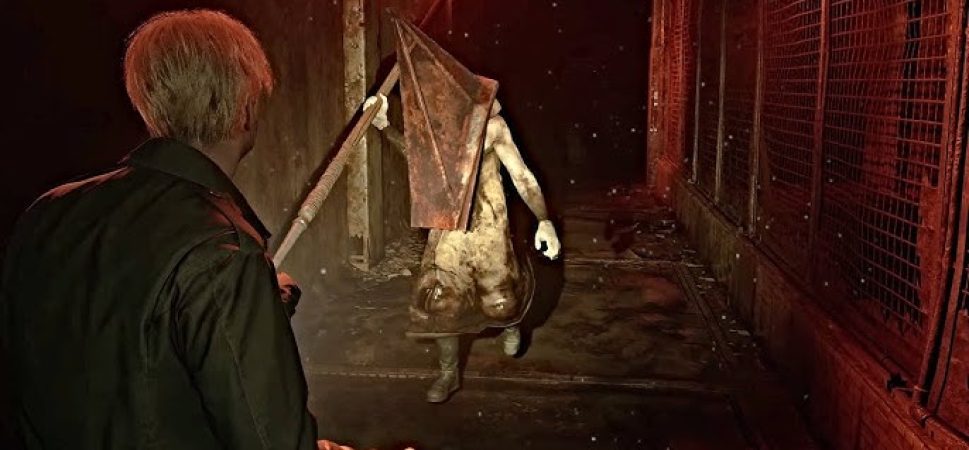
The Need for Punishment: Personified by the legendary Pyramid Head, an executioner born from James’s subconscious desire to be penalized for his sins.
3. The Remake: Modernizing a Legend
Bringing a cult classic into the mid-2020s is a tightrope walk. The recent remake managed to stay faithful to the “dream-like” pacing of the original while implementing modern quality-of-life improvements.
| Feature | Original (2001) | Remake (2024/Modern) |
| Camera | Fixed/Cinematic | Over-the-shoulder |
| Combat | Clunky/Intentional | Fluid but Desperate |
| Visuals | Lo-fi/Gritty | Unreal Engine 5 Hyper-realism |
| Exploration | Limited by Hardware | Expanded Buildings & Lore |
The shift to an over-the-shoulder camera makes the encounters with enemies like the Mannequins significantly more terrifying, as they can now hide in your blind spots or scuttle across the ceiling in high definition.
Final Thoughts: The Town is Still Waiting
Silent Hill 2 doesn’t offer easy answers or a “feel-good” ending. It is a somber, beautiful, and terrifying look at the human condition. For gamers who prioritize story and subtext over mindless action, the town of Silent Hill will always be a necessary destination.
Whether you’re visiting for the first time or returning to see what’s changed in the fog, one thing remains certain: In our restless dreams, we see that town.