
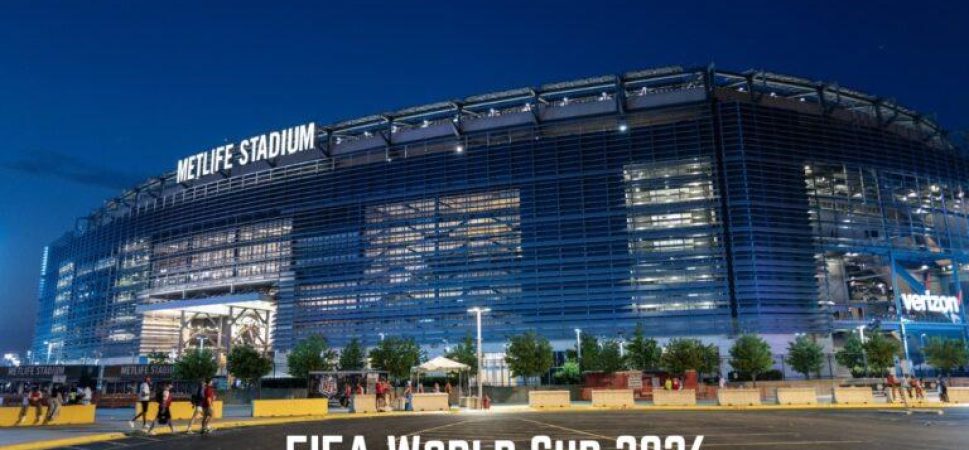


The FIFA World Cup has always been more than just a tournament—it is a global celebration of football, culture, and unity. With FIFA 2026, the world is set to witness a historic transformation in the way the tournament is organized, experienced, and remembered. Scheduled to be hosted jointly by the United States, Canada, and Mexico, the 2026 edition will redefine scale, inclusivity, and excitement in international football.
A Historic First: Three Host Nations
For the first time in history, the World Cup will be hosted by three countries simultaneously. This tri-nation collaboration brings together vast infrastructure, diverse cultures, and millions of passionate fans across North America. Matches will be spread across major cities, offering fans a unique opportunity to experience football in different environments—from the iconic stadiums of the United States to the rich football heritage of Mexico and the growing soccer culture in Canada.
Mexico, in particular, will make history by becoming the first country to host World Cup matches in three different editions, following its roles in 1970 and 1986.
Expanded Format: More Teams, More Action


One of the most significant changes in FIFA 2026 is the expansion from 32 teams to 48 teams. This new format will increase the number of matches from 64 to 104, giving more nations the chance to compete on football’s biggest stage.
The expanded format aims to:
- Promote global representation by allowing smaller footballing nations to participate.
- Increase competitiveness and unpredictability in the tournament.
- Provide fans with more matches and thrilling moments.
However, it also brings challenges, including a longer tournament duration and increased logistical complexity. Despite this, FIFA believes the benefits outweigh the drawbacks, making the tournament more inclusive than ever before.
State-of-the-Art Stadiums and Infrastructure
The 2026 World Cup will feature some of the most advanced stadiums in the world. From cutting-edge technology to massive seating capacities, these venues are designed to deliver an unforgettable experience for both players and spectators.
Key highlights include:
- Modern stadiums equipped with advanced broadcasting technology.
- Enhanced fan zones and entertainment areas.
- Improved transportation systems connecting host cities.
This tournament will also showcase sustainability efforts, with a focus on reducing carbon emissions and promoting eco-friendly practices.
A Cultural Celebration Beyond Football
FIFA 2026 is not just about matches—it is a cultural festival. Each host nation brings its own traditions, cuisine, and fan experiences, creating a vibrant atmosphere that goes beyond the game.
Fans can expect:
- Diverse food experiences from three different countries.
- Music festivals and cultural events alongside matches.
- A unique blend of North American hospitality and football passion.
This cultural diversity will make the tournament a once-in-a-lifetime experience for traveling supporters.
Technology and Innovation in the Spotlight
Technology will play a crucial role in FIFA 2026. Building on previous tournaments, innovations are expected to enhance fairness, engagement, and viewer experience.
Some anticipated advancements include:
- Improved VAR (Video Assistant Referee) systems.
- AI-driven analytics for teams and broadcasters.
- Immersive viewing experiences, including virtual and augmented reality.
Digital engagement will also be stronger than ever, allowing fans worldwide to connect with the tournament in real time.
Rising Competition and New Opportunities
With more teams participating, FIFA 2026 opens doors for emerging football nations. Countries that previously struggled to qualify will now have a realistic chance to compete, bringing fresh talent and new stories to the global stage.
This shift could:
- Increase the global popularity of football.
- Inspire grassroots development in developing football nations.
- Create unexpected underdog stories that captivate fans.
Economic and Global Impact
The economic impact of FIFA 2026 is expected to be massive. Hosting cities will benefit from tourism, infrastructure development, and global exposure.
Key impacts include:
- Increased revenue for local businesses and tourism sectors.
- Job creation across various industries.
- Long-term investments in sports infrastructure.
For the global audience, the tournament will once again unite billions of viewers, reinforcing football’s status as the world’s most popular sport.
Final Thoughts
FIFA 2026 is shaping up to be the most ambitious World Cup in history. With its expanded format, multi-country hosting, and focus on innovation, it promises to deliver an unforgettable experience for fans around the world.
More than just a competition, it represents the evolution of football—more inclusive, more global, and more exciting than ever before. As anticipation builds, one thing is certain: FIFA 2026 will not just be watched; it will be celebrated across continents.