
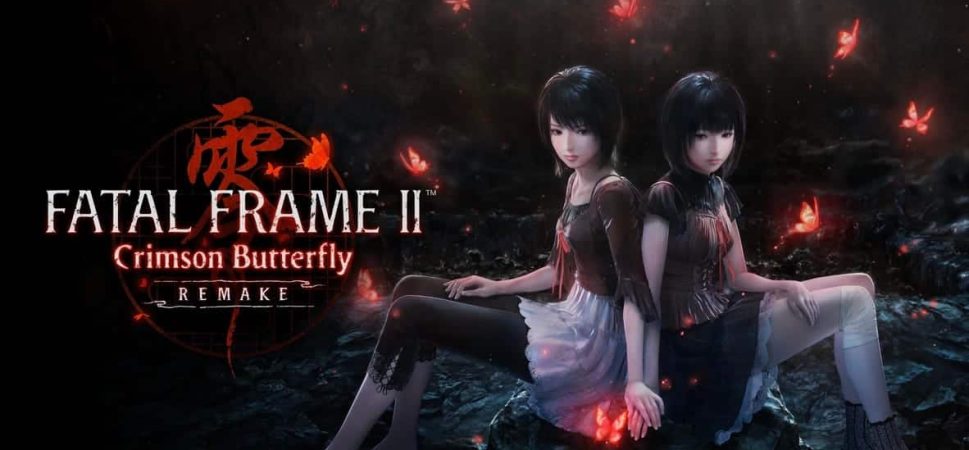
Fatal Frame II: Crimson Butterfly: A Masterclass in Japanese Survival Horror
In the pantheon of survival horror, few titles evoke a primal sense of dread quite like Fatal Frame II: Crimson Butterfly (known in Europe and Japan as Project Zero II). While modern horror often relies on “jump scares” and high-octane gore, this 2003 masterpiece—and its subsequent Wii and Xbox iterations—remains a chilling testament to psychological atmosphere and cultural folklore.
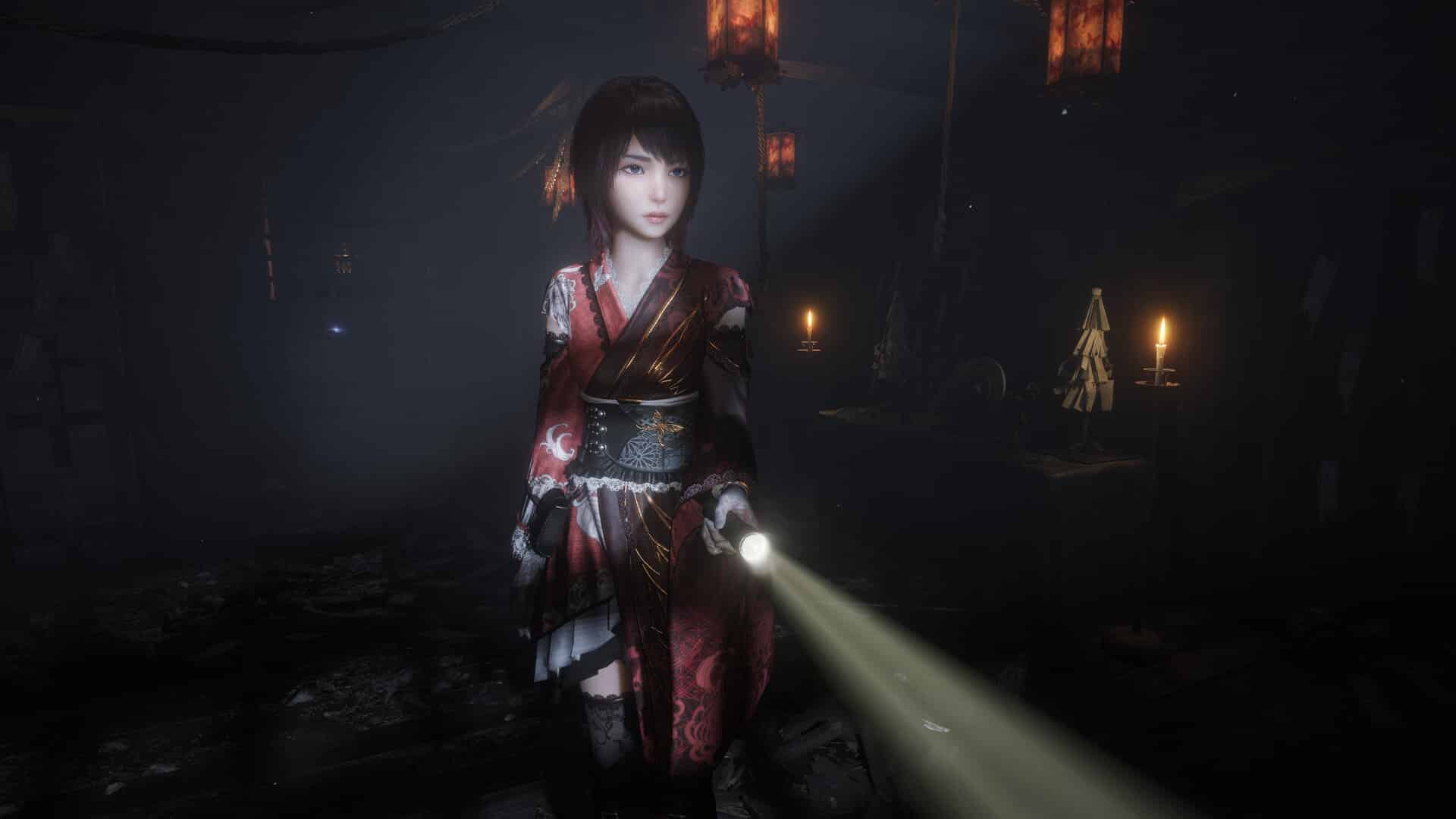
As we look back from 2026, a time when photorealistic graphics are the norm, the grainy, claustrophobic shadows of the Lost Village still hold a power that many modern titles fail to replicate. This article explores why the tale of Mio and Mayu Amakura is still considered by many to be the scariest video game ever made.
1. The Premise: A Tale of Two Sisters
The narrative heart of Fatal Frame II: Crimson Butterfly is the bond between twin sisters, Mio and Mayu. While visiting a childhood forest, Mayu follows a mysterious crimson butterfly deep into the woods, leading the pair into the “Lost Village” of Minakami.
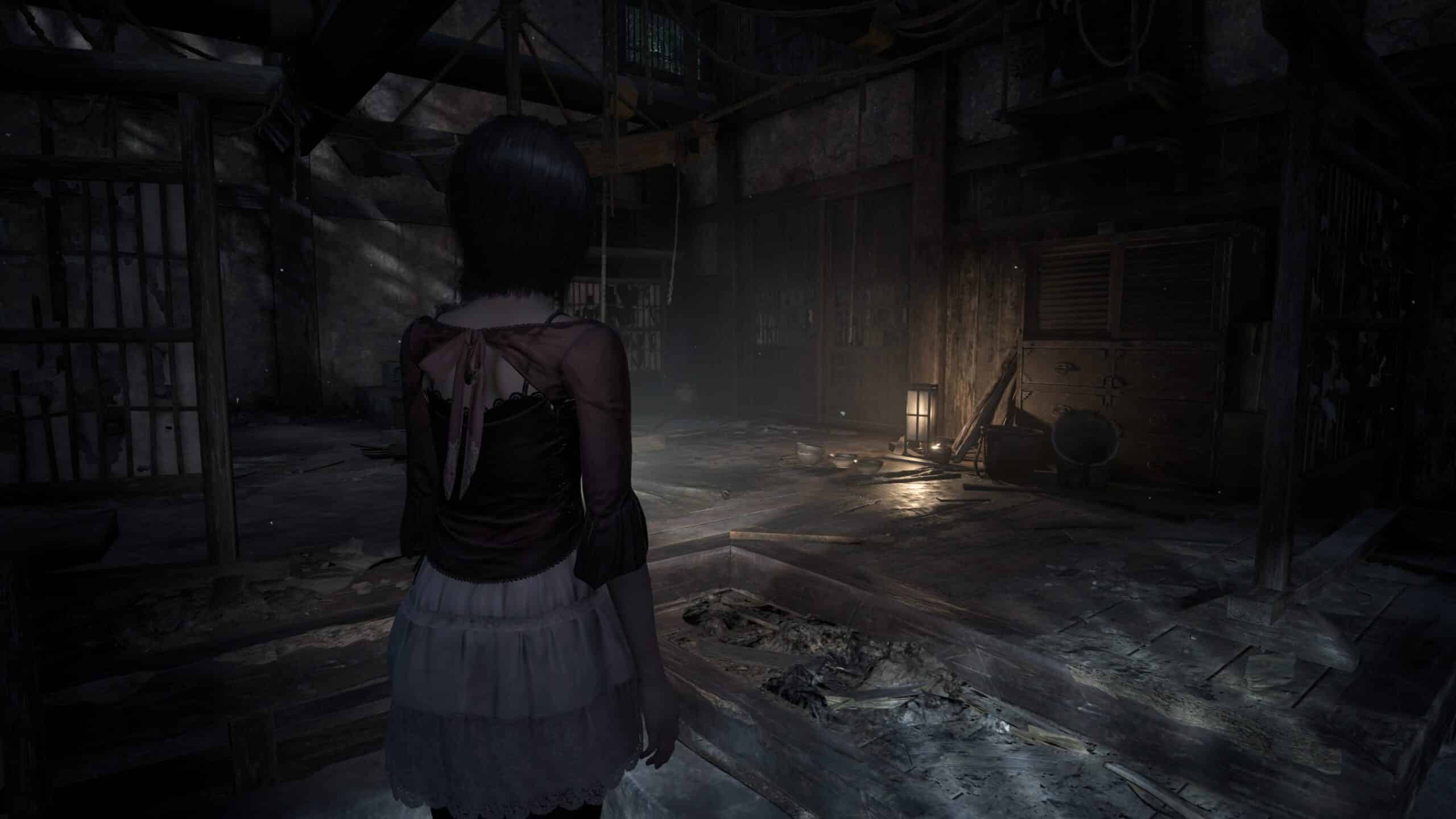
This village vanished from the map following a “Repentance” ritual that went horribly wrong. The sisters find themselves trapped in a nightmarish loop of the past, where the spirits of the villagers are doomed to repeat their final, agonizing moments.
The Dynamics of Vulnerability
What makes the gameplay so effective is the escort mechanic. Unlike other games where protecting an NPC is a chore, Crimson Butterfly uses Mayu’s limp and her susceptibility to spirit possession to heighten the player’s anxiety. You aren’t just surviving for yourself; you are desperately trying to keep your sister from being swallowed by the darkness.
2. The Iconic Gameplay: Combat via the Camera Obscura
In most horror games, a weapon is a source of comfort. In Fatal Frame, your only weapon is the Camera Obscura—an antique camera capable of capturing the “unthinkable.”
The Fatal Frame Mechanic
The genius of the combat lies in its demand for courage. To deal the most damage to a ghost (a Fatal Frame shot), you must wait until the spirit is at its most aggressive point—usually inches from your face. This forces the player to stare directly into the twisted, screaming visages of the undead.
-
Film Types: From the weak Type-14 to the rare, powerful Type-90, managing your resources is critical.
-
Lenses and Upgrades: Players can customize the camera with functions like “Slow,” “Push,” or “Blast,” adding a layer of RPG-style progression to the terror.
3. The Ghosts of Minakami: More Than Just Monsters
The ghosts in Fatal Frame II are not mindless zombies. They are tragic figures with backstories revealed through scattered diaries and “radio” stone fragments.
The Most Terrifying Encounters
-
The Broken Neck Woman: A ghost whose distorted perspective and jerky movements make her one of the most unsettling encounters in the game.
-
The Sae Kurosawa: The “Girl in White” whose manic laughter echoes through the village. Her presence represents an invincible threat for much of the game, creating a “stalker” dynamic long before Resident Evil 7 perfected it.
-
The Twin Doll Makers: A segment that explores the village’s obsession with “binding” spirits into dolls, leading to some of the most claustrophobic encounters in the Kiryu House.
4. Atmospheric Excellence: The Sound and the Shadows
Fatal Frame II: Crimson Butterfly excels in its use of Liminal Space. The traditional Japanese houses (Minka) with their sliding paper doors (Shoji) and creaking floorboards provide the perfect setting for a ghost story.
Sound Design as a Weapon
The game’s audio is its most potent tool. The low-frequency hums, the distant sound of ritualistic chanting, and the sudden, sharp static of the camera’s viewfinder create a constant state of “high alert.” In 2026, playing this with modern 3D spatial audio makes the experience almost unbearably tense, as whispers seem to come from directly behind your physical chair.
5. Multiple Endings and the “Crimson Butterfly” Ritual
The game is famous for its multiple endings, each more bittersweet or devastating than the last. The “canon” ending of the original PS2 version is a haunting exploration of sacrifice and destiny that leaves a lasting emotional scar on the player.
-
The Crimson Butterfly Ending: The tragic fulfillment of the ritual.
-
The Frozen Butterfly Ending: Exclusive to certain versions, offering a darker look at Mio’s psyche.
-
The Promise Ending: Often considered the “best” outcome, though it requires immense effort to unlock.