
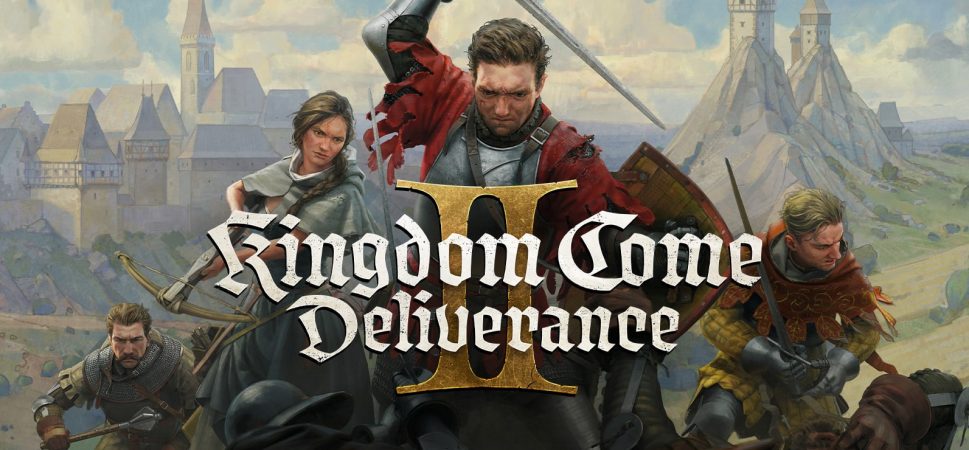
Kingdom Come: Deliverance II: The Ultimate Medieval RPG Evolution
The year 2025 marked a seismic shift in the RPG landscape with the release of Kingdom Come: Deliverance II. Now, well into 2026, the game has solidified its place as a “Masterpiece of Realism,” according to critics and players alike. Warhorse Studios didn’t just create a sequel; they expanded their vision of 15th-century Bohemia into a sprawling, living epic that challenges the conventions of modern gaming.
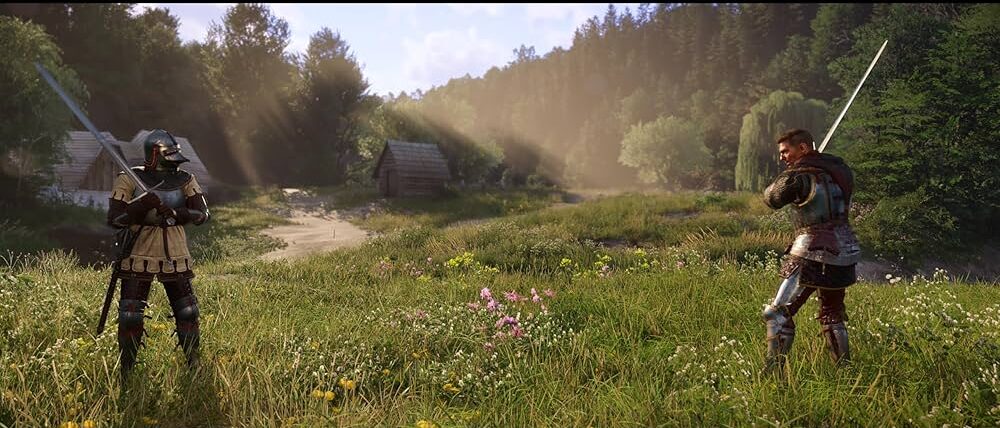
While most RPGs move toward instant gratification, Kingdom Come: Deliverance II dares you to slow down. It invites you to live the life of Henry of Skalitz—a man who has grown from a vengeful boy into a seasoned warrior, yet still finds himself caught in the brutal gears of European history.
1. A World Reborn: The Majesty of Kuttenberg
The most immediate change in the sequel is the scale. The map is twice as large as the original, featuring two distinct regions: the lush, picturesque Bohemian Paradise and the massive, silver-rich city of Kuttenberg.
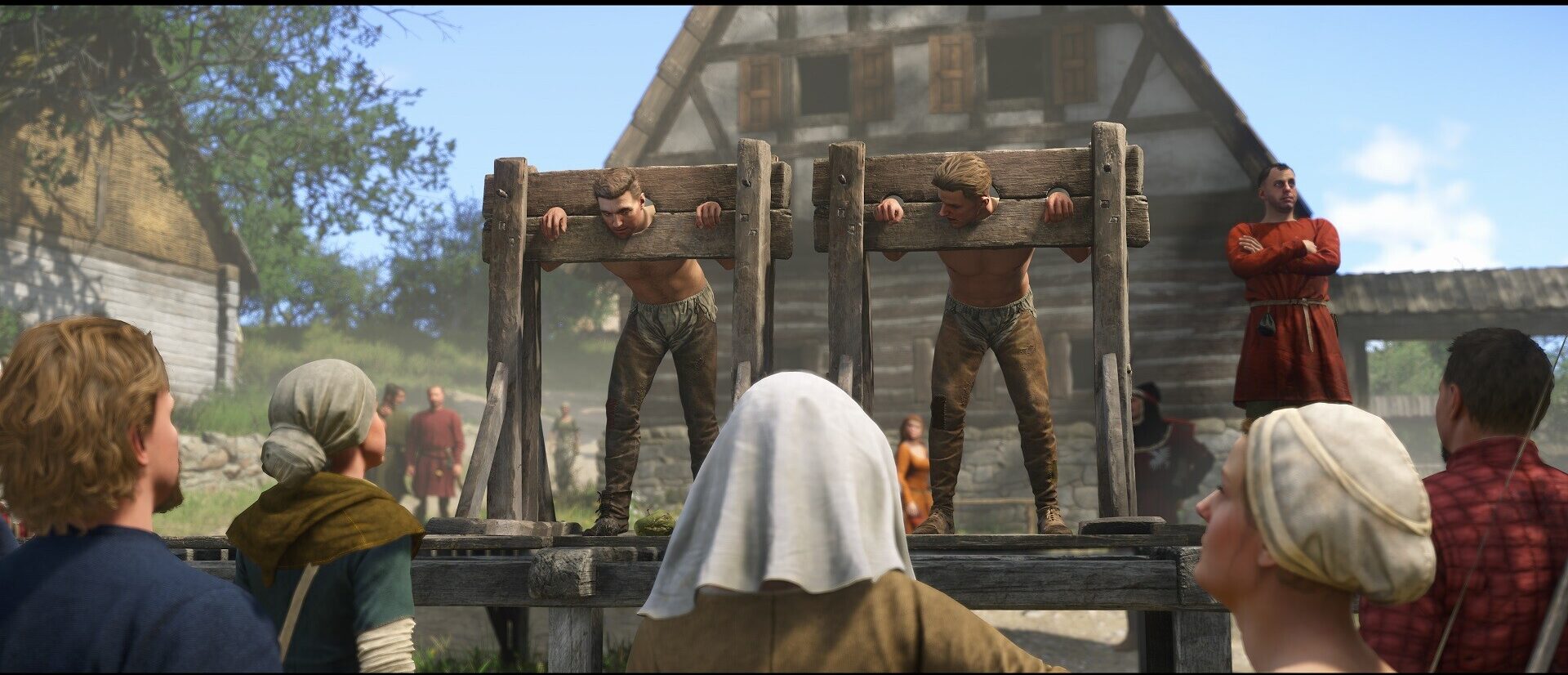
The Living City
Kuttenberg is a marvel of technical achievement. Unlike the smaller hamlets of the first game, Kuttenberg feels like a true metropolitan hub of the Middle Ages.
-
Economic Depth: You can witness the minting of coins, visit sprawling marketplaces, and engage with a social hierarchy that ranges from impoverished beggars to wealthy German burghers.
-
Reactivity: The NPCs are more aware than ever. If you walk through the high-end districts covered in blood and mud, guards will intercept you. Conversely, wearing fine silks and polished plate armor will open doors to prestigious tournaments and political circles.
2. Refined Combat: Accessible Yet Deadly
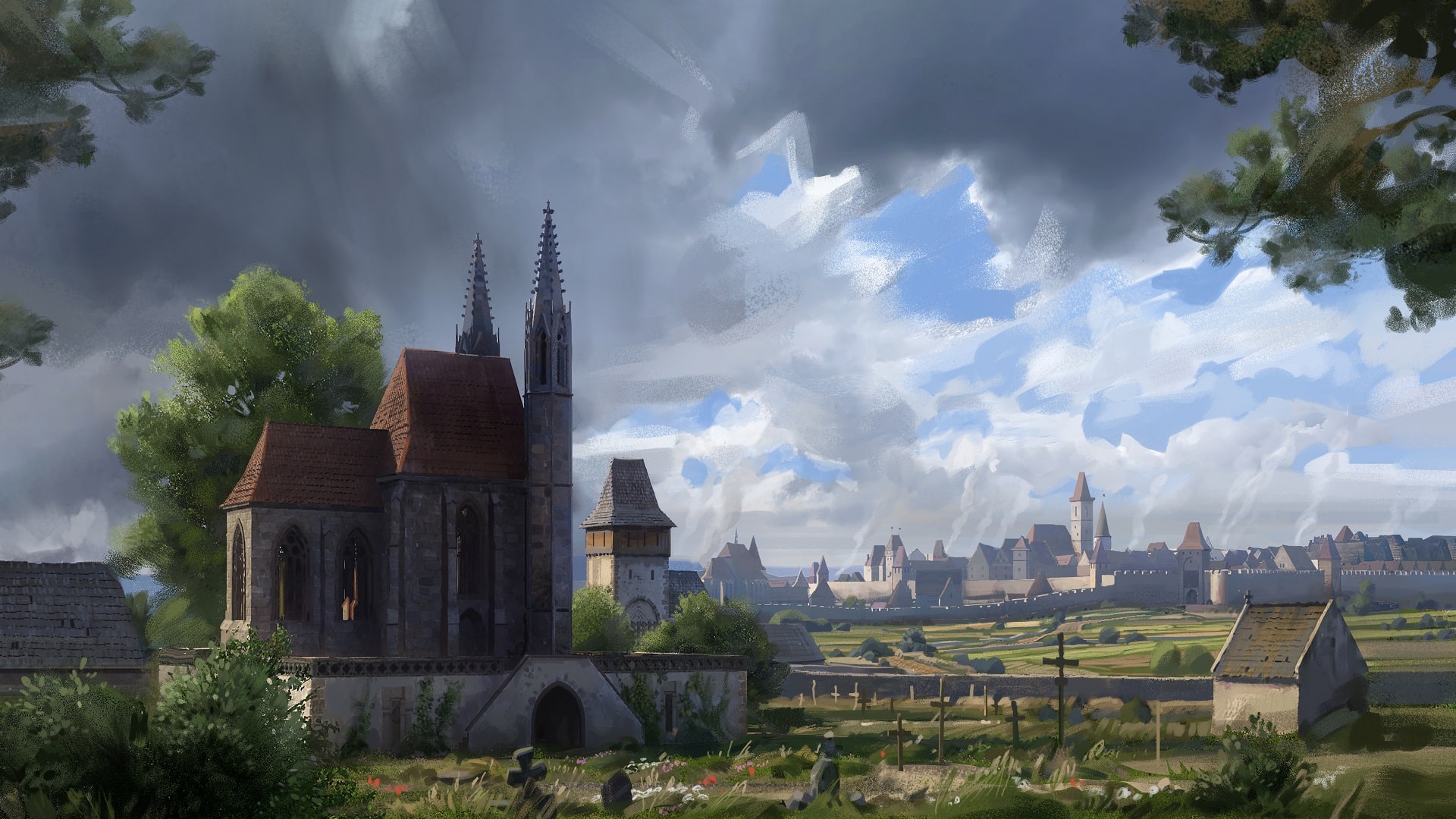
One of the most debated aspects of the original was its steep learning curve. The Kingdom Come: Deliverance II combat system has been meticulously overhauled to address this, without sacrificing the “crunchy” realism fans adore.
What’s New in the Arsenal?
For the first time, Henry has access to early firearms and crossbows. These weapons change the tactical landscape, allowing you to thin out bandit ranks before the blades are drawn. However, reloading a primitive handgun in the heat of battle is a slow, nerve-wracking process that requires perfect timing.
Managing Groups
Warhorse addressed the “frustrating” group combat of the first game. While enemies are still intelligent, they no longer overwhelm the camera simultaneously in a chaotic mess. Instead, they utilize more choreographed positioning, allowing you to switch targets and manage your stamina—which acts as a “posture” bar—more effectively.
Combat Tip: Always watch your stamina. In KCD II, armor is incredibly effective, but it only protects you as long as you have the breath to stand your ground. Once your stamina is depleted, even a basic shortsword can find the gaps in your plate.
3. Henry’s Evolution: From Blacksmith to Knight
The narrative picks up exactly where the first game left off. Henry is now the bodyguard to the charismatic Sir Hans Capon, but a disastrous ambush early in the story resets his fortunes, forcing players to rebuild his skills from scratch.
Deep Role-Playing Systems
The RPG mechanics have shifted from simple stat-checks to “social performance.”
-
The Three Pillars: Dialogue now relies on Appearance, Coercion, and Dominate.
-
Craftsmanship: The new Smithing system allows you to actually forge your own blades, adding a layer of immersion that connects Henry back to his father’s profession.
-
Outfit Slots: A highly requested feature, you can now save three distinct outfits (e.g., Stealth, Combat, and Charisma) to swap styles instantly depending on whether you’re sneaking into a monastery or attending a royal banquet.
4. The 2026 Perspective: DLC and Updates
As of March 2026, the game has seen significant post-launch support. The “Mysteria Ecclesiae” DLC has been praised for its detective-style gameplay within a plague-stricken monastery, while the “Legacy of the Forge” expansion allowed players to rebuild a legendary forge in Kuttenberg.
Performance on Modern Hardware
Developed on a heavily modified CryEngine, the game pushed the limits of the PS5 and Xbox Series X. PC players in 2026 are enjoying the full benefits of DLSS 4 and Ray Tracing, which bring the gold-leafed interiors of Kuttenberg’s cathedrals to life in stunning detail.
5. Is Kingdom Come: Deliverance II Right for You?
This game is an “act of love” for history buffs. If you enjoy games that respect your intelligence and demand your patience, KCD II is peerless. It doesn’t hold your hand; it forces you to learn how to read, how to maintain your equipment, and how to navigate a world that doesn’t care if you succeed or fail.
Conclusion: A Triumphant Sequel
Kingdom Come: Deliverance II is more than just a sequel; it is the definitive medieval simulator. By doubling down on realism while smoothing out the mechanical friction of its predecessor, Warhorse Studios has created a world that feels truly lived-in. In the sea of fantasy RPGs filled with dragons and magic, the grounded, human story of Henry of Skalitz stands taller than ever in 2026.