
The Evolution of Rust: Why the Ultimate Survival Game Still Reigns Supreme in 2026
In the volatile landscape of gaming, few titles possess the sheer staying power of Rust. Developed by Facepunch Studios, this brutal, high-stakes survival simulator has transformed from a quirky experimental project into a cultural phenomenon. As we navigate 2026, the Rust game remains the gold standard for emergent gameplay, where every player-driven encounter is a coin flip between a lifelong alliance and a devastating betrayal.
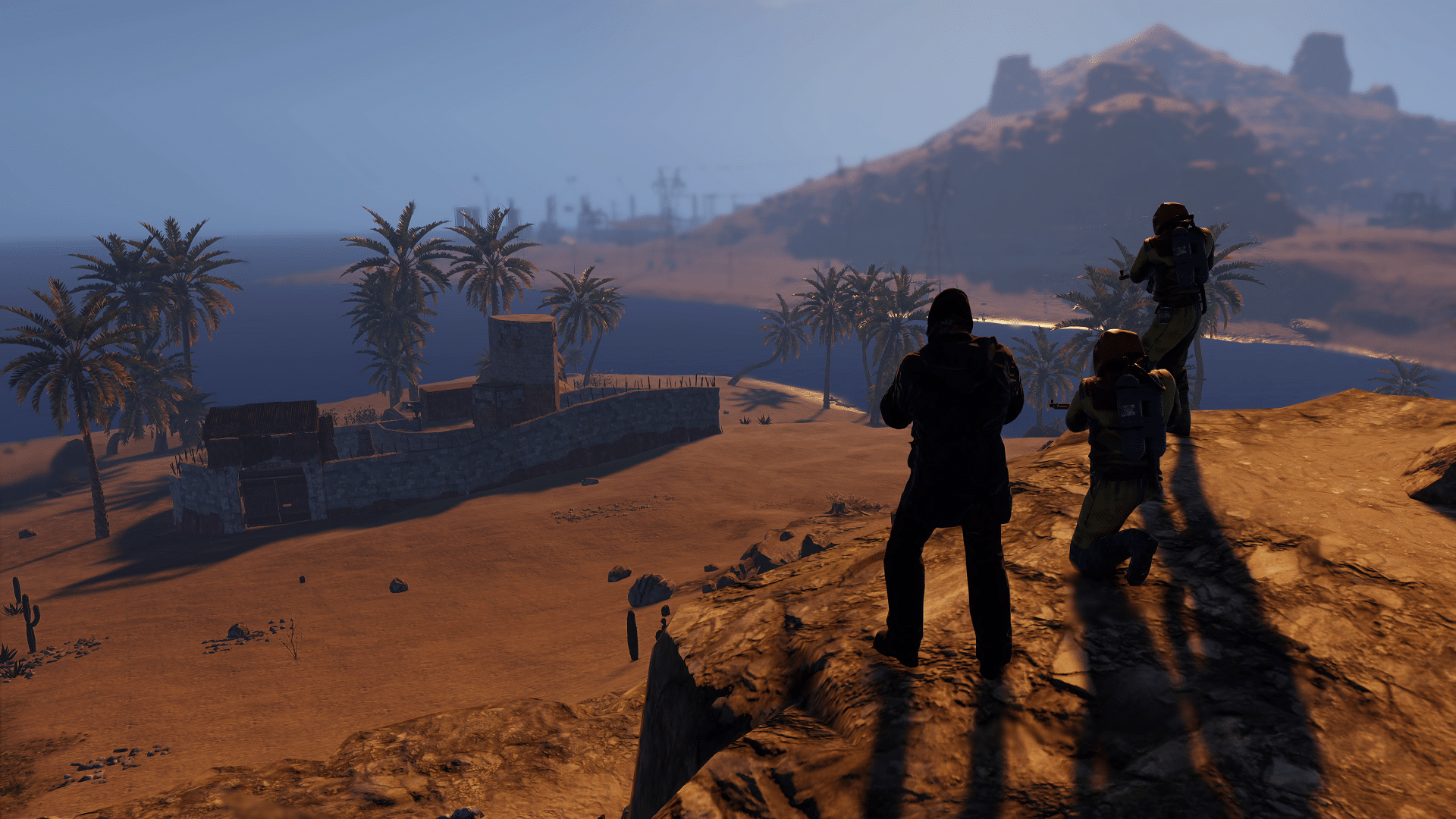
If you are a newcomer looking to take your first steps on the beach or a veteran returning to see how the “World Revamp” has changed the meta, this guide will break down why Rust is more addictive—and dangerous—than ever.
The Core Loop: From Rock to Rocket Launcher
The magic of the Rust game lies in its “Zero to Hero” progression. Every wipe begins exactly the same: you wake up on a procedurally generated island with nothing but a rock and a torch.
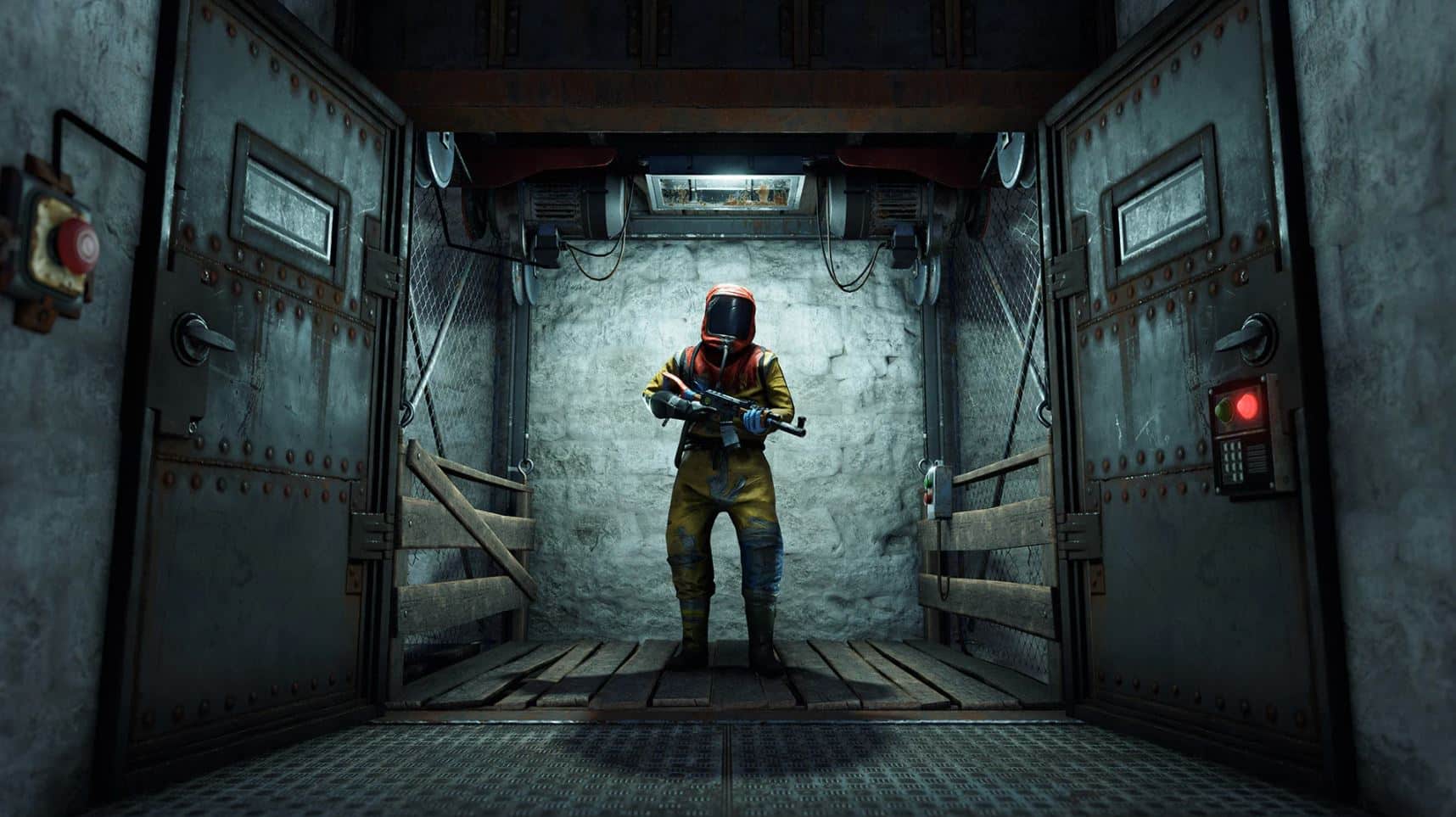
The Early Game Grind
Your first hour is a frantic race for resources. You’ll need to gather wood and stone to craft basic tools, but in 2026, the environment is more reactive than ever. The Dynamic Weather 3.0 update means that a sudden blizzard in the north can freeze a primitive player in minutes, while heatwaves in the desert demand constant hydration.
-
Tip: Don’t just build anywhere. Use the new Topographical Map tool to find “dead zones” far from the high-tier monuments like the Launch Site or the Military Tunnels if you want to survive the first night.
Base Building 2.0: Fortifying Your Legacy
Building in Rust is no longer just about stacking honeycomb walls and praying. The 2025 “Industrial Revolution” update and the subsequent 2026 “Automation Patch” have turned base building into an engineering challenge.
Electricity and Automation
Modern Rust bases are living machines. Advanced players now use:
-
Auto-Sorters: Systems that automatically move loot from your drop boxes into organized containers.
-
Smart Turrets: Turrets that can be toggled via the Rust+ Mobile App, allowing you to defend your base while you’re physically at work or asleep.
-
Industrial Smelting: Large-scale furnaces that refine ore at triple the speed of traditional methods, provided you can keep them powered.
The Art of the “Anti-Raid”
Raiding is the inevitable conclusion of any Rust wipe. Whether it’s a group of “Zerg” players with 50 rockets or a calculated “Eco-raid” using satchel charges, your base is never truly safe. The current meta emphasizes multi-TC (Tool Cupboard) builds and “Pixel Gaps” to hide your most valuable loot where raiders least expect it.
The Social Experiment: Alliances and Betrayals
What truly separates the Rust game from other survival titles is the community. Because there are no “factions” or forced teams, every interaction is a social gamble.
The introduction of the Nexus System in late 2025 allowed players to travel between different servers on a boat or helicopter without losing their inventory. This created “Mega-Servers” where entire clans go to war across different maps, leading to some of the largest digital conflicts in gaming history.
Monuments and the High-Tier Loot Grind
To progress past the primitive stage, you must venture into Monuments. these are persistent locations on the map that offer high-tier crates but are guarded by NPCs (and other players).
The 2026 Underground Overhaul
Recently, Facepunch expanded the Subway and Tunnel systems. These aren’t just for transport anymore; they host massive subterranean laboratories where the best “Tech Trash” and “Rifle Bodies” are found.
-
The Oil Rig: Still the king of PVP, the Oil Rig remains the primary spot for those seeking C4 and AK-47s.
-
The Arctic Research Base: A high-risk area where the environment is as much an enemy as the scientists guarding the loot.
Technical Performance and Graphics
The Rust game has seen a massive visual facelift heading into 2026. With the transition to a more modern engine branch, the game now supports:
-
Full Ray-Tracing: Making night-time raids look terrifyingly realistic.
-
DLSS 4.0 Support: Ensuring that even mid-range PCs can handle the chaos of a 100-player firefight.
-
Physics-Based Destruction: When a base is hit with a rocket, the debris now interacts with the players and the environment, adding a layer of tactical realism to breaching.
Tips for Survival: The 2026 Beginner’s Checklist
If you’re jumping into a high-population server today, keep these three rules in mind:
-
Trust No One: Even the “naked” player begging for food might have a double-barrel shotgun hidden in their sash.
-
The 15-Minute Rule: If you haven’t placed a sleeping bag and a small wooden base within 15 minutes of spawning, you are likely going to lose your progress.
-
Learn the Recoil: The 2024 combat overhaul changed how guns feel. Spend 30 minutes on an “Aim Train” server before committing to a real wipe.
Conclusion: Is Rust Still Worth It?
Despite being over a decade old, Rust feels fresher than ever. The constant stream of monthly updates from Facepunch Studios ensures that the meta never stays stale for long. It is a game of extreme highs and devastating lows—a digital wild west where you can lose everything in a second or become the king of the island through sheer will.